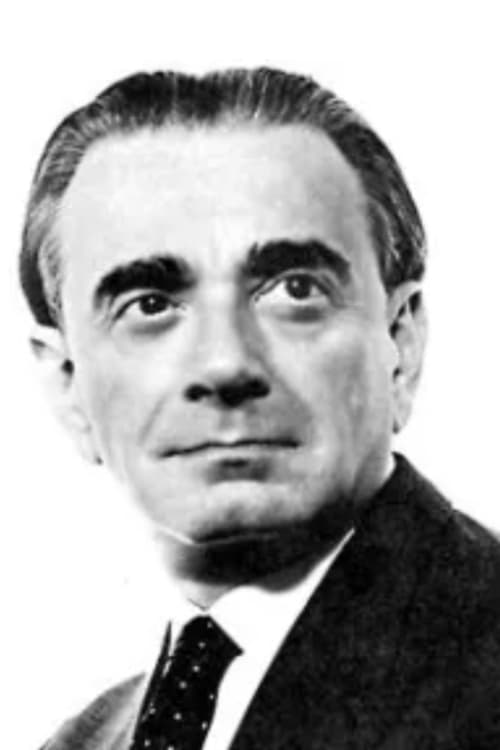
Miklós Rózsa
Sound · Born Apr 18, 1907 · Died Jul 27, 1995 (88) · Budapest, Austria-Hungary [now Hungary]
Miklós Rózsa (18 April 1907 – 27 July 1995) was a Hungarian-born composer trained in Germany (1925 – 1931), and active in France (1931 – 1935), England (1935 – 1940), and the United States (1940 – 1995), with extensive sojourns in Italy from 1953. Famous for his nearly one hundred film scores, he nevertheless maintained a steadfast allegiance to absolute concert music throughout what he called his "double life." Rózsa achieved early success in Europe with his orchestral Theme, Variations, and Finale (Op. 13) of 1933 and became prominent in the film industry from such early scores as The Four Feathers (1939) and The Thief of Bagdad (1940). The latter project brought him to America when production was transferred from wartime Britain, and Rózsa remained in the United States, becoming an American citizen in 1946. His notable Hollywood career earned him considerable fame, including Academy Awards for Spellbound (1945), A Double Life (1947), and Ben-Hur (1959), while his concert works were championed by such major artists as Jascha Heifetz, Gregor Piatigorsky, and János Starker. Description above from the Wikipedia article Miklós Rózsa, licensed under CC-BY-SA, full list of contributors on Wikipedia.
Known for
Ben-Hur
19597.9
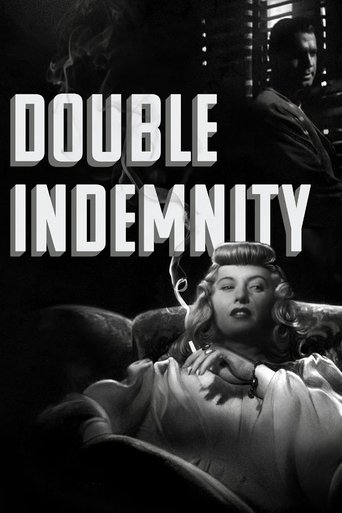
Double Indemnity
19448.1
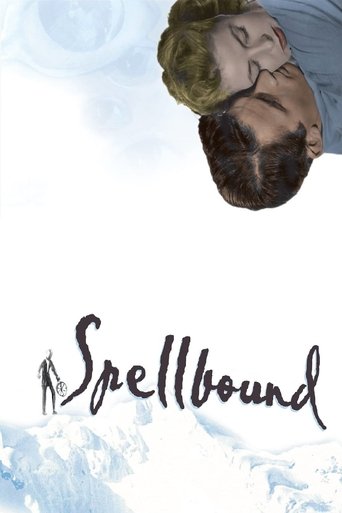
Spellbound
19457.4

The Lost Weekend
19457.6
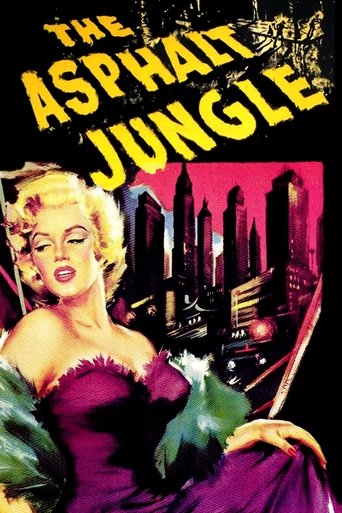
The Asphalt Jungle
19507.5

Quo Vadis
19517.1
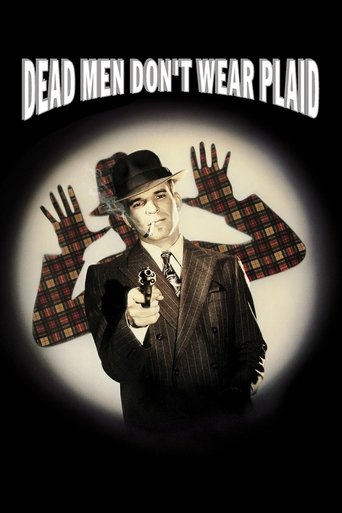
Dead Men Don't Wear Plaid
19826.6
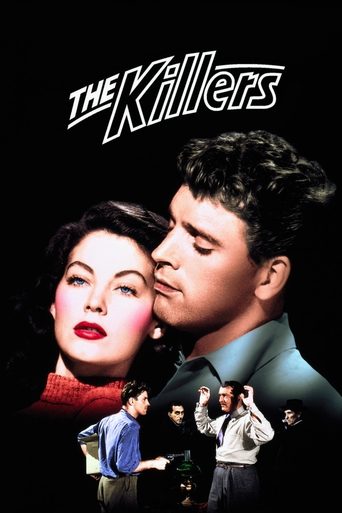
The Killers
19467.4
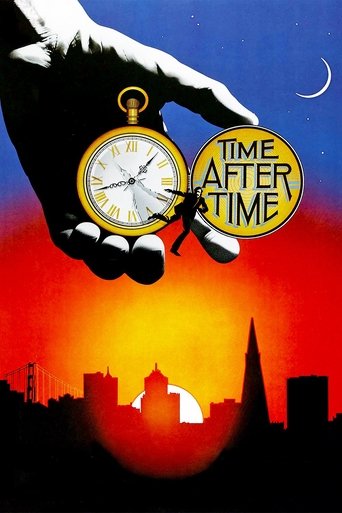
Time After Time
19796.8

The Private Life of Sherlock Holmes
19706.8
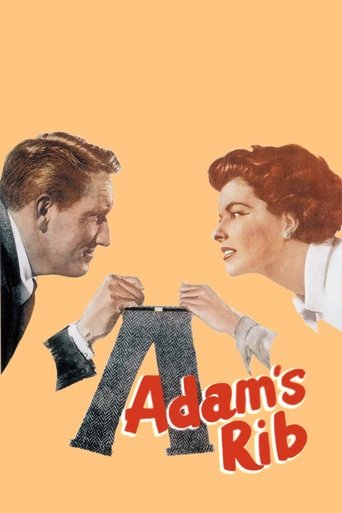
Adam's Rib
19497.1
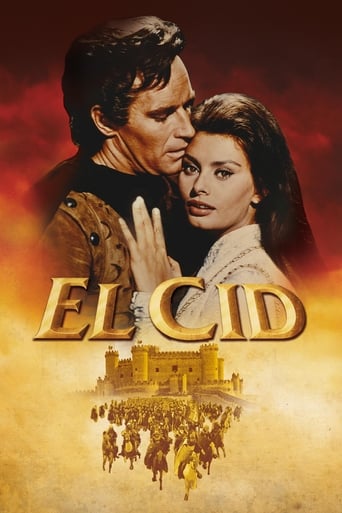
El Cid
19616.8
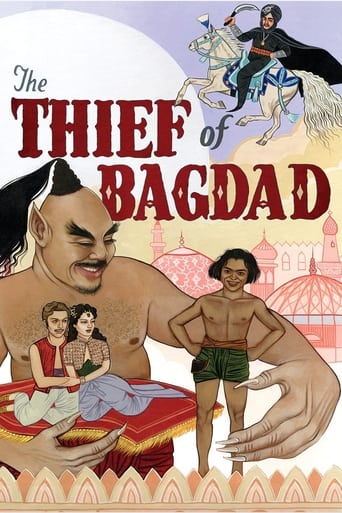
The Thief of Bagdad
19407.1
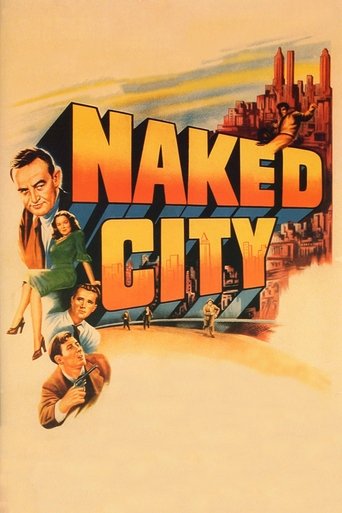
The Naked City
19487.2

The Golden Voyage of Sinbad
19736.7
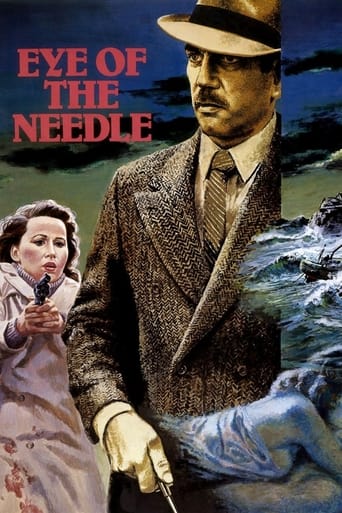
Eye of the Needle
19816.7
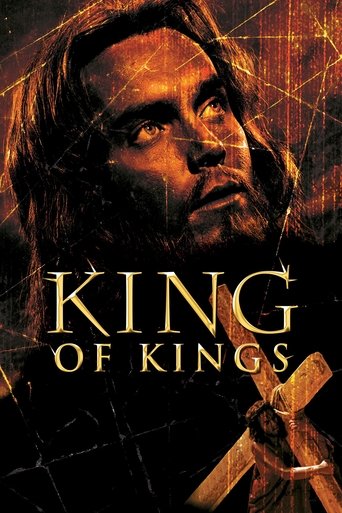
King of Kings
19617.2
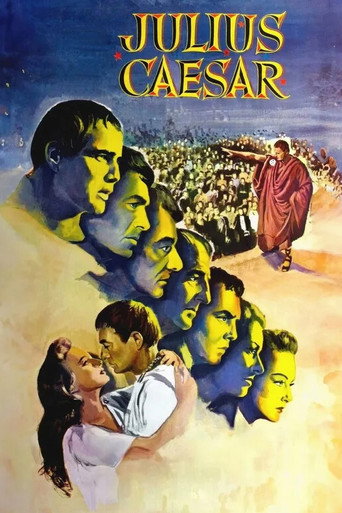
Julius Caesar
19537.1
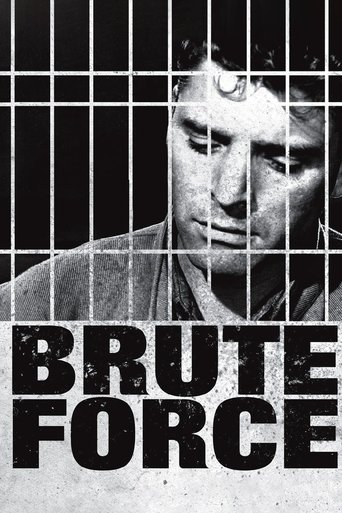
Brute Force
19477.3
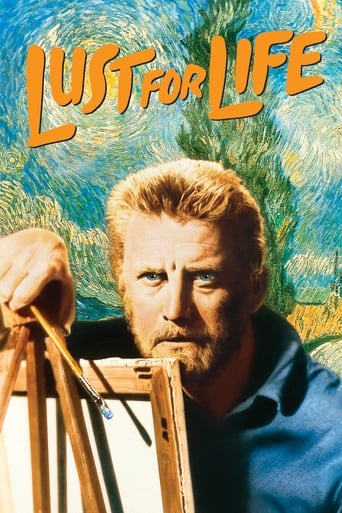
Lust for Life
19567.2