Franchise timeline
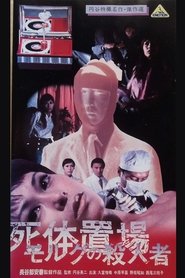
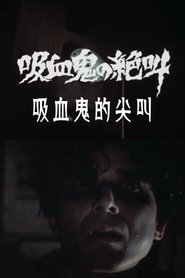
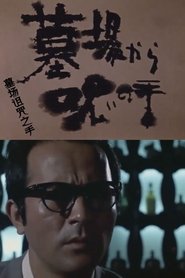
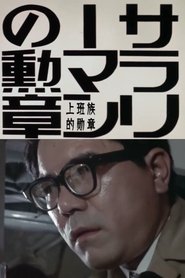
Horror Theater Unbalance
A 1973 Japanese Anthology television series created by Tsuburaya and Fuji TV.
You've seen 0 of 0
Part 1 · Jan 1, 1973
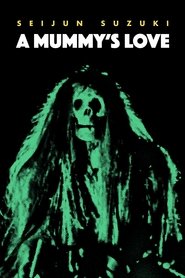
A Mummy’s Love
In post-war Japan, a publisher goes to visit her former teacher for help on a modern translation of a legend about a mummified Buddhist monk who was revived and who, centuries later, turned into a sex demon who terrorized a village in pre-modern Japan.
Part 2 · Jan 1, 1973
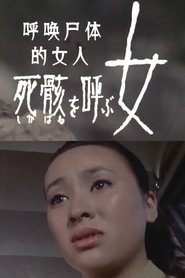
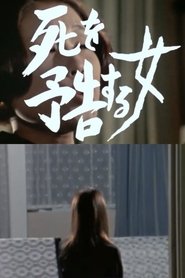
A Woman Who Warns of Death
A successful lyricist, Sakumaki (Yukio Ninagawa), lives with his partner Kazue (Keiko Fujita) and their daughter, though he has always kept an emotional distance from them. One night, he returns home to find a mysterious woman in black (Yuko Kusunoki) waiting in his apartment. She calmly tells him that he will die the next night at precisely 12:13 a.m. Shaken, Sakumaki flees, only to discover the same woman appearing wherever he goes. As her presence grows more menacing and unexplainable, his fear spirals into paranoia. Directed by Toshiya Fujita, the episode blends domestic drama with supernatural dread, blurring the line between hallucination and reality. With Ninagawa in a rare starring role, supported by Ichiro Zaitsu and Akira Nagoya, the story pushes its protagonist into a psychological nightmare where fate, guilt, and obsession collide.